- All
- Product Name
- Product Keyword
- Product Model
- Product Summary
- Product Description
- Multi Field Search


Views: 0 Author: Site Editor Publish Time: 2025-07-16 Origin: Site


A well-designed pumping system is the backbone of many industrial operations, from chemical processing and water treatment to oil refining and food production. Reliability, efficiency, and low maintenance are key expectations from any pump-based system—but achieving this depends heavily on how carefully the system is designed from the start.
In this article, we’ll walk through the key elements of designing a reliable pumping system, with a focus on choosing the right pump type, optimizing fluid separation methods, and selecting appropriate sealing solutions. We’ll also touch on real-world considerations that affect long-term performance and operational cost.
Poorly designed pumping systems are a common source of operational inefficiency and downtime. Issues such as excessive energy consumption, cavitation, seal failure, and bearing wear often stem from mismatched components or incorrect application.
Designing a pumping system isn’t just about choosing a pump that meets flow and head requirements—it involves understanding the fluid properties, pressure conditions, system dynamics, and environmental factors that affect performance.
A properly engineered system offers the following benefits:
Reduced energy consumption
Lower maintenance and downtime
Longer equipment lifespan
Improved safety and compliance
Better product quality and throughput
The foundation of a reliable system starts with selecting the right pump for the application. Pump type determines not only flow behavior but also compatibility with the pumped medium and system pressure.
For many industrial applications involving chemicals, slurries, or high temperatures, the ANSI pump is a trusted standard. ANSI (American National Standards Institute) pumps are end-suction centrifugal pumps designed to handle aggressive fluids while providing interchangeability and easy maintenance. These pumps are ideal for applications where standardization and durability are critical.
When selecting a pump, consider the following:
Flow rate and total dynamic head (TDH)
Fluid temperature and viscosity
Presence of solids or abrasives
Corrosiveness or chemical composition of the fluid
System layout (pipe lengths, valves, elevation changes)
When dealing with fluids that contain particulate matter, sediment, or abrasives, it’s essential to integrate a separation system that protects downstream components like seals, valves, and the pump itself. This is where a cyclone separator plays a vital role.
A cyclone separator uses centrifugal force to remove solids from the fluid stream before they reach sensitive components. The fluid enters the separator tangentially, creating a vortex that drives heavier particles toward the walls and down into a collection chamber, while the clean fluid exits from the top.
Incorporating a cyclone separator not only protects the pump from erosion and clogging but also reduces the load on filtration systems and increases the reliability of the entire pumping line. It’s particularly beneficial in mining, wastewater treatment, and food processing operations where particulate-laden fluids are common.
One of the most common failure points in pumps is the mechanical seal. A poor seal choice can lead to leaks, contamination, bearing failure, and frequent maintenance shutdowns. That’s why seal selection should be based on the specific conditions of the application—including fluid type, temperature, pressure, and shaft speed.
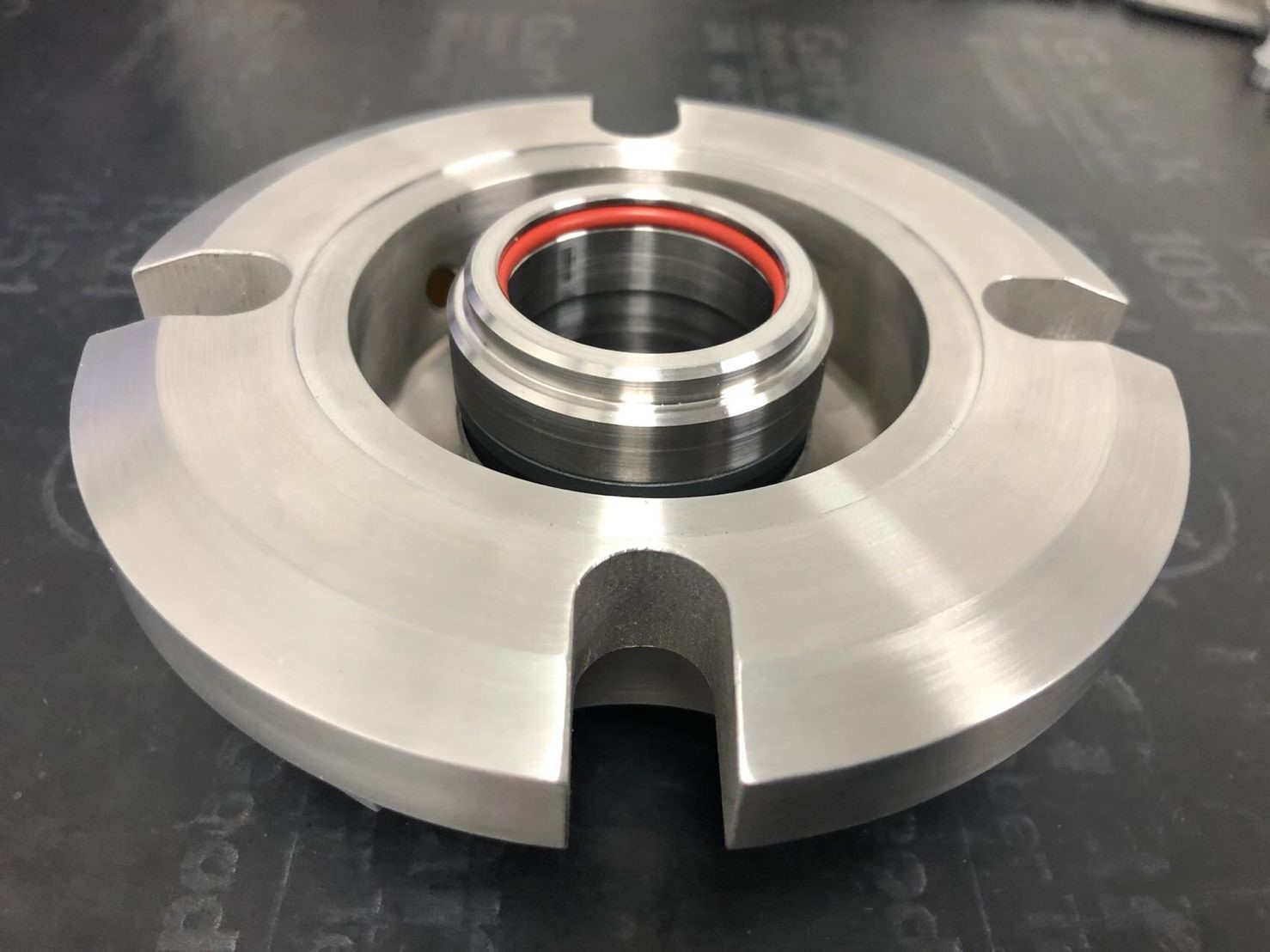
For high-pressure or slurry applications, specialized sealing solutions such as mission pump seals are often preferred. These seals are engineered for durability and are designed to withstand the abrasive, high-flow conditions typical of drilling mud pumps and slurry systems.
In contrast, self-priming pump systems in municipal and industrial applications may rely on trusted sealing assemblies like the gorman rupp seal. Known for their reliability and long service life, these seals help prevent fluid leakage and maintain pump integrity even under fluctuating suction and discharge conditions.
Choosing the right seal involves more than matching size and type—it requires evaluating the total system dynamics, installation configuration, and environmental exposure. Proper installation and maintenance practices are also essential to maximizing seal performance.
Beyond pump and seal selection, system reliability depends on how well all components are integrated and monitored. This includes:
Valves and Piping Design: Minimize friction losses, avoid sharp bends, and ensure proper line sizing.
Instrumentation and Monitoring: Install flow meters, pressure sensors, and vibration monitors to detect issues early.
Control Systems: Use variable frequency drives (VFDs) or programmable logic controllers (PLCs) to regulate pump speed and system response.
Surge Protection: Incorporate check valves and pressure relief devices to mitigate water hammer and pressure spikes.
No matter how robust your system design, long-term reliability hinges on proper maintenance. A preventive maintenance schedule should include:
Routine inspections for vibration, noise, and leakage
Lubrication of bearings and motors
Monitoring of seal condition and performance
Flushing or cleaning of cyclone separators and filtration units
Periodic recalibration of instrumentation and controls
Documenting these procedures in a computerized maintenance management system (CMMS) can help track performance over time and predict potential failures before they disrupt operations.
Consider a chemical manufacturing facility facing repeated pump failures due to seal breakdown and impeller erosion. After analyzing the system, engineers redesigned the process with the following upgrades:
Replaced generic pumps with ANSI-compliant centrifugal pumps designed for chemical handling
Installed cyclone separators upstream to remove fine particulates before they reached the pump
Switched to mission pump seals engineered for high-pressure and abrasive conditions
Added smart monitoring sensors and upgraded the control logic
The result? A 70% reduction in pump-related downtime and a significant improvement in energy efficiency.
Designing a reliable pumping system is a complex task that involves much more than matching flow rate and pressure. From selecting the right ANSI pump to incorporating a cyclone separator and choosing effective sealing solutions like mission pump seals or gorman rupp seals, every component plays a critical role in ensuring long-term performance.
A system that’s thoughtfully designed, well-integrated, and maintained through a proactive strategy not only operates more efficiently but also delivers lasting value and peace of mind. Whether you're building a new system or upgrading an existing one, taking a holistic approach is the best investment you can make in operational reliability.


