- All
- Product Name
- Product Keyword
- Product Model
- Product Summary
- Product Description
- Multi Field Search


Views: 0 Author: Site Editor Publish Time: 2025-07-15 Origin: Site


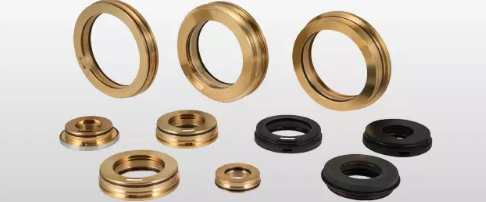
In today’s fast-paced industrial world, the cost of unplanned downtime can be staggering. Whether in manufacturing, oil and gas, water treatment, or energy production, machinery failure can disrupt operations, cause missed deadlines, and inflate maintenance budgets. At the heart of many mechanical failures is one common culprit: bearing damage. Fortunately, preventive maintenance (PM) programs, when executed properly, can detect and prevent these failures before they happen. A key part of such programs is the integration of advanced protection systems for critical components—particularly bearings.
Among the most effective solutions for bearing protection are devices designed to block contaminants, retain lubrication, and ensure system longevity. This article explores the vital role that protective technologies like bearing isolators and protectors play in strengthening preventive maintenance strategies and extending equipment life.
Preventive maintenance is a proactive approach to asset management. Rather than waiting for equipment to fail, maintenance teams perform routine inspections, lubrication, part replacements, and condition monitoring based on time or usage intervals. The goal is simple: reduce the likelihood of mechanical failures, lower repair costs, and extend the usable life of equipment.
But the effectiveness of any PM program depends heavily on how well vulnerable components are protected. Bearings, which support and guide rotating shafts, are one of the most failure-prone parts in any mechanical system. They are particularly susceptible to wear caused by contaminants, misalignment, lubrication failure, and moisture ingress. According to industry data, more than half of premature bearing failures can be traced back to inadequate sealing or environmental contamination.
This is where specialized bearing protection devices come into play.
Bearings operate in a dynamic environment—often under high loads, speeds, and temperatures. They rely on clean, consistent lubrication and precise alignment to function properly. When exposed to contaminants like dirt, dust, or water, lubrication becomes compromised. This not only increases friction and heat but also accelerates surface wear, corrosion, and ultimately, failure.
Effective bearing protection solutions help eliminate the very root causes of these problems by:
Sealing out contaminants
Preventing lubricant loss
Reducing moisture ingress
Limiting heat build-up
Preventing electrostatic discharge in certain environments
When integrated into a PM program, these benefits translate into measurable operational improvements—longer equipment lifespans, fewer breakdowns, lower maintenance costs, and greater safety.
1. Non-Contact Sealing Systems
Unlike traditional contact seals that degrade over time, non-contact seals use engineered geometries (like labyrinth or slinger designs) to deflect or redirect contaminants without physically touching the shaft. These seals are more durable and are better suited for high-speed or high-temperature applications.
When selected appropriately, these systems become a key part of your PM program, offering protection without additional wear.
2. Integrated Shaft Grounding and Sealing
In motors and drives where stray shaft currents are a concern, special bearing protection devices with integrated grounding features can be used. These protect the bearing from electric discharge machining (EDM), a common problem in VFD-driven motors.
By stopping electrical pitting before it starts, these systems enhance reliability and eliminate the need for premature bearing replacements—a major advantage in high-use industrial applications.
3. Use of Bearing Isolators
A bearing isolator is a non-contact, compound labyrinth seal specifically designed to protect bearings from both ingress and egress—keeping contaminants out and lubricants in. Unlike lip seals, which wear down quickly and allow for eventual leakage, bearing isolators offer long-term reliability in rotating machinery.
They require no maintenance, can handle high speeds and temperatures, and are ideal for pumps, motors, gearboxes, and fans. When included in a preventive maintenance strategy, they greatly reduce the frequency of lubricant changes and unscheduled downtime, making them a smart investment for mission-critical operations.
4. Application of Bearing Protectors
A bearing protector typically combines sealing elements with other design features to provide comprehensive defense against moisture, slurry, or airborne contaminants. These are especially useful in aggressive environments like food processing, wastewater treatment, pulp and paper, and chemical plants.
The addition of bearing protectors in high-risk zones adds redundancy to your PM program and gives maintenance teams peace of mind, knowing that one of the system's most vital components is guarded against contamination.
A successful preventive maintenance program doesn't just involve scheduled inspections—it requires strategic upgrades to equipment components to proactively reduce risk. Here's how to incorporate bearing protection into your PM approach:
Step 1: Assess High-Failure Points
Identify machines with a history of bearing failures or those operating in challenging environments. Pumps, fans, motors, and gearboxes are a good place to start.
Step 2: Choose the Right Protection Solution
Based on your application, choose between contact or non-contact seals, bearing isolators, or protectors. Consider operating speed, temperature, contamination type, and space limitations.
Step 3: Integrate into Maintenance Schedules
Document the installation of bearing protection systems in your CMMS (Computerized Maintenance Management System). Schedule routine inspections to verify component integrity and monitor performance.
Step 4: Train Your Maintenance Team
Educate technicians on how these protective devices work, how to inspect them, and what early signs of wear or failure to look for. Training supports a culture of proactive, rather than reactive, maintenance.
Companies that have implemented bearing protection technologies within their PM frameworks have seen significant benefits:
Extended bearing life by 3x or more
Reduced lubrication consumption by up to 50%
Fewer emergency shutdowns
Lower total cost of ownership
Enhanced machine availability and output
In industries where uptime is mission-critical, these gains directly impact the bottom line.
Preventive maintenance is only as effective as the tools and components it relies on. Bearing protection systems, such as bearing isolators and bearing protectors, offer an invaluable line of defense against common failure modes—ensuring that equipment continues to operate efficiently, even in harsh or high-demand environments.
Integrating these protective technologies into your PM program isn't just good practice—it’s essential for sustainable, cost-effective operations. By sealing out contaminants, retaining lubricants, and minimizing wear, these components help you stay ahead of breakdowns and keep production running smoothly.
If your goal is to cut costs, improve equipment uptime, and drive long-term reliability, consider making bearing protection a core part of your preventive


